
Uncategorized
Stone Splashbacks That Change a Kitchen
Choose stone splashbacks with the right balance of striking design, daily durability, safe fabrication, and considered slab selection for your kitchen.
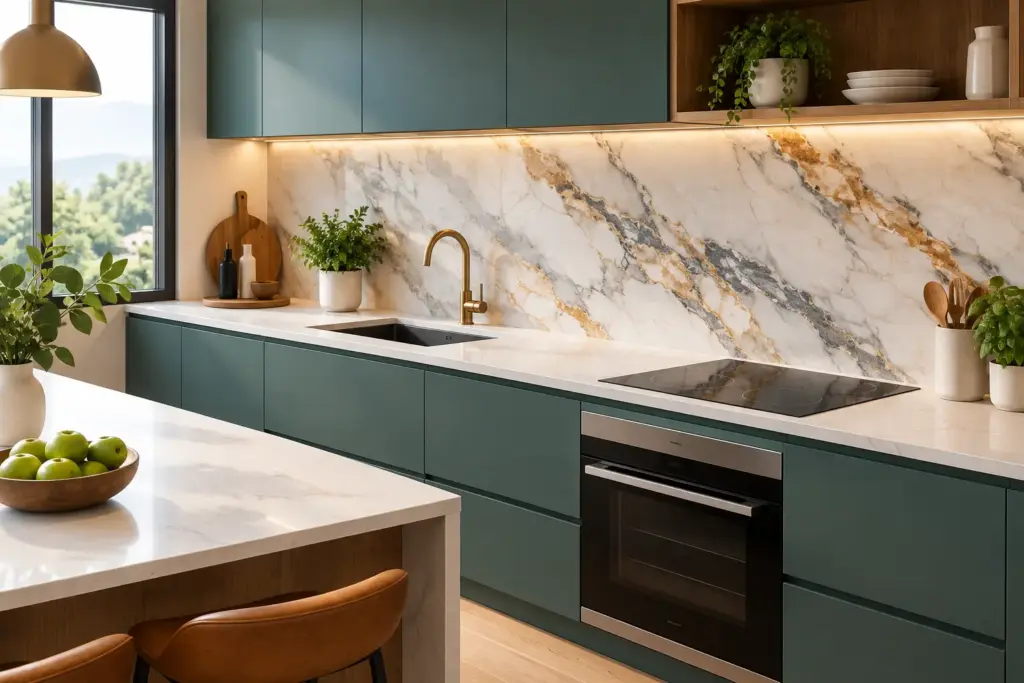
A backsplash is often treated as the practical strip behind the cooktop. In a considered kitchen, it can do far more. Stone splashbacks extend the movement, depth, and character of the countertop upward, turning a working wall into a defining architectural surface. The result can be quiet and tonal, or richly expressive, depending on the slab, layout, and light within the room.
For premium renovations and new builds, the appeal is not simply that stone looks elevated. A full-height stone surface reduces visual interruption, protects the wall where it matters most, and gives the kitchen a composed finish that tiles rarely achieve. The right selection, however, depends on more than choosing a beautiful vein.
Why stone splashbacks make such an impact
A continuous slab introduces scale. Where individual tiles create a repeated pattern and visible grout lines, stone presents one uninterrupted field of color, veining, and texture. This is particularly effective behind an island or along a long run of cabinetry, where the splashback can visually connect the countertop to overhead joinery, open shelving, or a sculptural range hood.
The character of the material shapes the atmosphere. A soft white engineered surface with warm gold movement can brighten a kitchen without feeling stark. Dark stone with fine pale veining can bring depth and a more tailored edge to timber cabinetry. Natural stone may offer mineral variation, subtle fissures, and tonal shifts that make each installation distinctly its own.
This continuity also changes how a room reads. A compact kitchen can feel broader when the countertop and wall share the same surface, while a large kitchen gains focus when a dramatic slab is framed as a central feature. The best outcome is usually intentional rather than busy: the stone should relate to flooring, cabinetry, hardware, and daylight without competing with every finish in the room.
Natural or engineered stone for splashbacks?
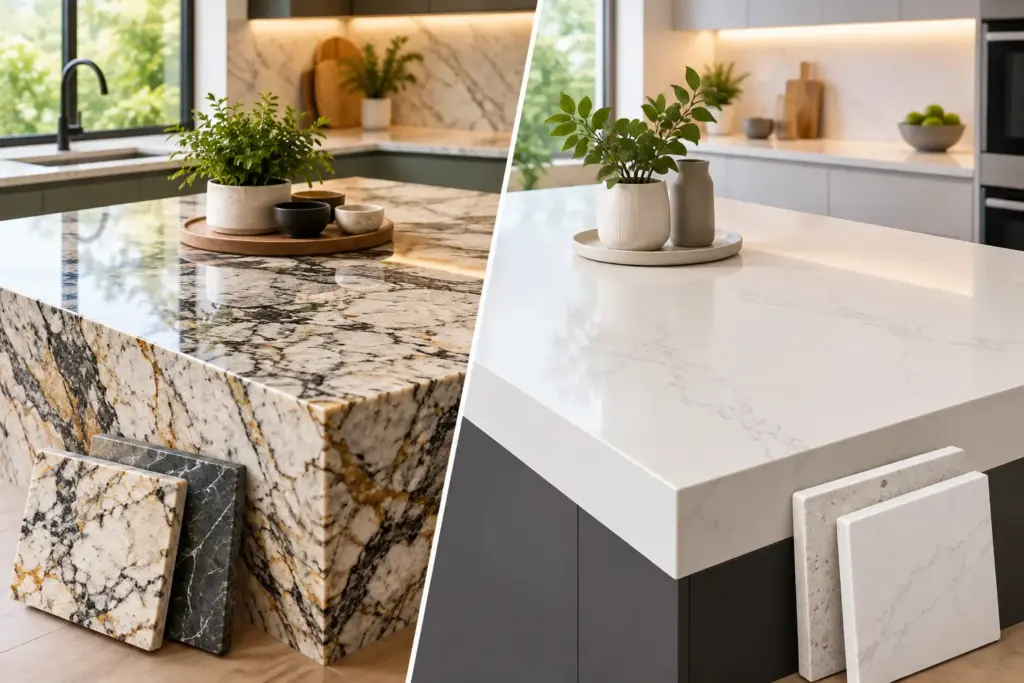
Both natural and engineered materials can produce exceptional stone splashbacks, but they answer different priorities. Natural stone is chosen for individuality. Its veining and geological variation bring a depth that cannot be precisely replicated, making it a compelling choice for homeowners who want the surface to feel collected rather than manufactured. Taj Legacy, for example, offers the layered visual interest that can give a restrained palette genuine presence.
Natural stone does require realistic expectations. Some materials are more porous than engineered surfaces and may need sealing or ongoing care according to the specific stone and finish. A honed surface can feel beautifully soft and contemporary, yet it may show marks differently from a polished finish. These are not drawbacks when selected knowingly. They are part of the material’s character.
Engineered stone offers a more controlled visual language. It is often selected when a project calls for consistent color, considered veining, and straightforward daily maintenance. Designs such as Polar Calacatta, Santorini Gold, Bianco Seta, and Statuario Oro can create the marble-inspired look many kitchens demand, with a level of consistency that is useful across larger runs, multiple apartments, or matched rooms.
For project teams, material safety is also a critical specification consideration. A silica-free stone range gives builders, stonemasons, designers, and homeowners an option centered on safer fabrication while maintaining a refined, high-impact finish. Confirm the composition, fabrication requirements, and suitability of the selected product early, rather than treating them as decisions for the final stage of the build.
Let the slab lead the layout
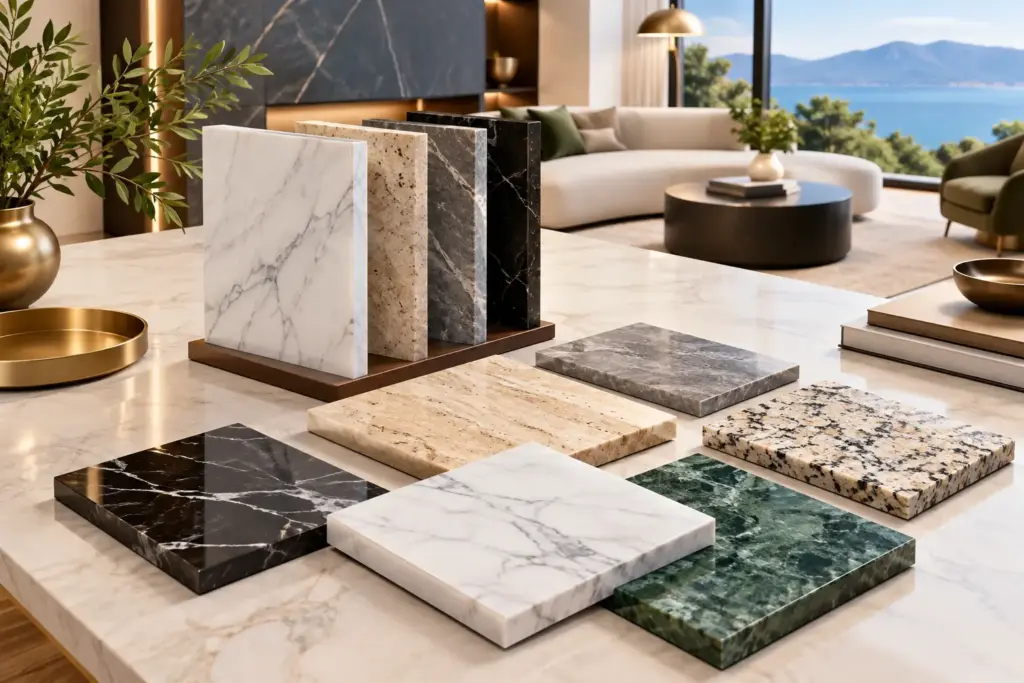
The most successful splashbacks are planned from the actual slab, not only a small sample. A sample is invaluable for understanding base color and finish, but it cannot show the full path of a bold vein or the scale of natural movement. View the slab wherever possible, then decide which area should sit behind the cooktop, beneath a window, or on a more visible return.
This is especially important with statement surfaces such as Black Oro, Desert Bloom, or Royal Gold. A prominent section of veining might become a deliberate focal point behind the range, while a calmer section can be used beside cabinetry. Slab-level selection helps ensure the finished wall feels composed rather than accidental.
Design decisions that determine the final look
Height is the first decision. A standard upstand offers a restrained detail and allows paint or another wall finish above it. A full-height splashback, reaching to the underside of upper cabinets or ceiling, makes a stronger architectural statement and is often easier to wipe clean. Neither is automatically better. The choice depends on the room’s proportions, budget, and how much visual weight the stone should carry.
Consider the relationship to the countertop next. Matching the same slab across both surfaces creates a luxurious, continuous effect, particularly in kitchens with simple cabinetry. Using a complementary stone can be equally sophisticated. For instance, a pale countertop may sit beautifully with a darker splashback if the two surfaces share a warm undertone or a related vein color. Contrast works best when it is repeated elsewhere, perhaps through hardware, lighting, or joinery.
Finish matters more than it first appears. Polished stone reflects light and can make a darker kitchen feel brighter. Honed or matte finishes are gentler and more tactile, often suiting calm, architectural interiors. Near a cooktop, ask how the chosen finish will respond to cooking residue, natural light, and the cleaning products used in the home.
Lighting deserves the same attention. Under-cabinet lighting can reveal the detail in a stone surface beautifully, especially fine gold, gray, or charcoal veining. It can also amplify every reflection on a highly polished slab. Test samples under warm and cool light, and view them at different times of day before making a final call.
Practical details behind a refined installation
Stone splashbacks need precise templating, skilled fabrication, and coordination with other trades. Power outlets, switch plates, range hoods, windows, shelves, and tapware all create cutouts or stopping points. Confirm their final locations before the stone is measured. A late outlet adjustment can disrupt a carefully positioned vein and add avoidable cost.
A full-height slab is heavy and should be installed on a suitable, properly prepared wall. The fabricator will assess dimensions, access, joins, cutouts, and handling requirements. Large panels may require joins, particularly where a wall exceeds slab dimensions or access is restricted. This is normal. What matters is placing joins thoughtfully, away from the most visible areas where possible, and aligning any movement so the surface still reads as intentional.
Behind a cooktop, check the requirements of the appliance manufacturer and local building regulations. Heat clearances, installation details, and the suitability of the selected stone must all be resolved before fabrication. Stone can be an excellent choice in this zone, but a beautiful material should never be specified without confirming the technical conditions around it.
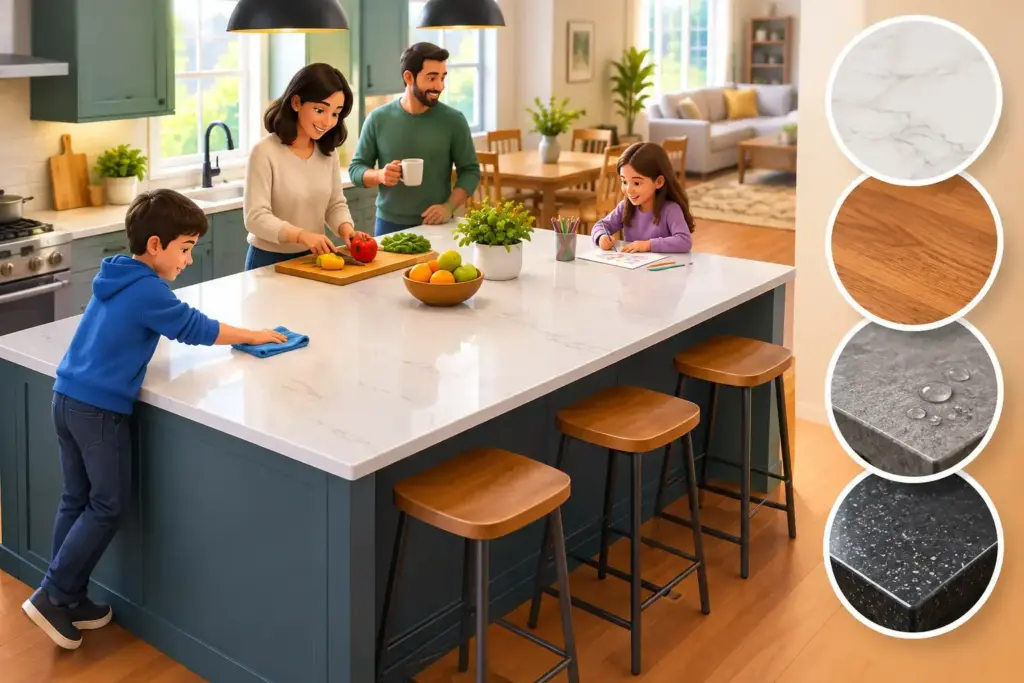
Daily care is usually simple. Wipe cooking splashes promptly with a soft cloth and a pH-neutral cleaner suitable for the material. Avoid abrasive pads and harsh chemical products, particularly on natural stone. The goal is not complicated maintenance. It is preserving the finish and allowing the slab’s color and movement to remain clear over time.
Choosing with confidence for a premium project
A splashback is a small area in square meters, yet it can carry much of a kitchen’s personality. That makes selection support valuable. At Avila Stones, slab inspection, sample access, and project-specific guidance help clients compare natural variation, engineered consistency, finish options, and supply considerations before committing to fabrication.
For designers and builders, early selection also protects the project schedule. Reserve the material once the design is sufficiently defined, then coordinate the slab with cabinetry, appliance specifications, and templating dates. For homeowners, this creates room to choose for the long view rather than settling for an available surface after all other decisions have been made.
The most enduring stone splashbacks are not chosen to follow a passing kitchen trend. They are chosen because their color belongs with the home’s light, their movement suits the scale of the room, and their performance fits the way the kitchen will actually be used. Start with the slab in front of you, then let its detail guide the rest of the space.
Ready to Choose Your Stone?
Our team can walk you through every silica-free and natural option in the range.